Premium activewear is not ordinary gym clothing. The best leggings, technical tops, tennis pieces, cycling kits and studio sets are engineered around stretch, recovery, moisture management and a precise fit. When the garment is expensive, those details are part of what you paid for.
That is why a luxury activewear wardrobe deserves a more considered laundry routine. Heat can stress elastane, rough fabrics can create abrasion, and fabric softener can interfere with moisture-wicking performance. The good news is that careful maintenance is simple once you understand what the fabric is designed to do.
For activewear wardrobes, this matters year-round. Sweat, sunscreen, humidity, coastal air and frequent training can all put extra demands on technical fabrics. The goal is not to wash expensive pieces as little as possible; it is to clean them in a way that protects the fibres, construction and performance finishes.
The quick answer
Check the care label first, then favour cool water, a gentle cycle, minimal mild detergent, no fabric softener and air drying unless the garment's specific instructions say otherwise.
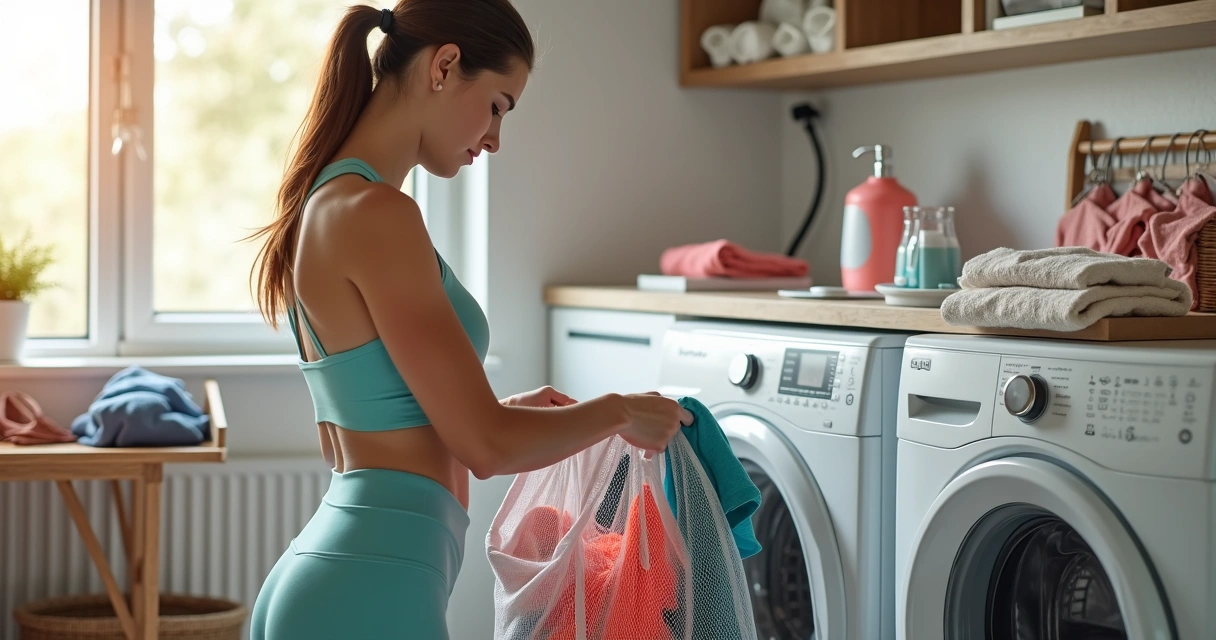
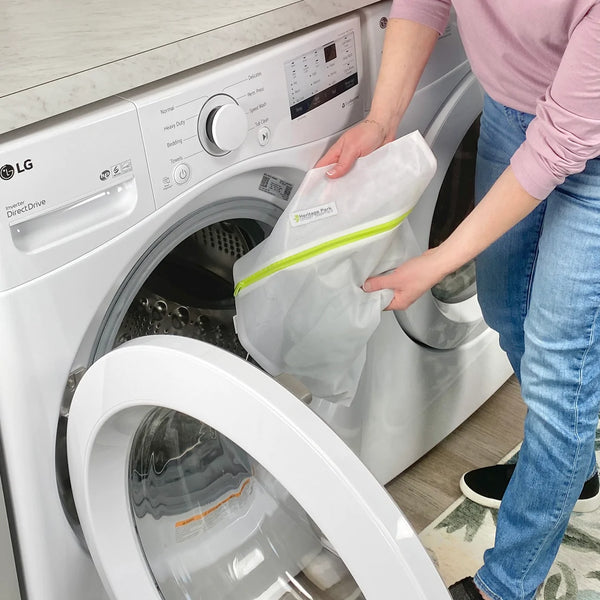
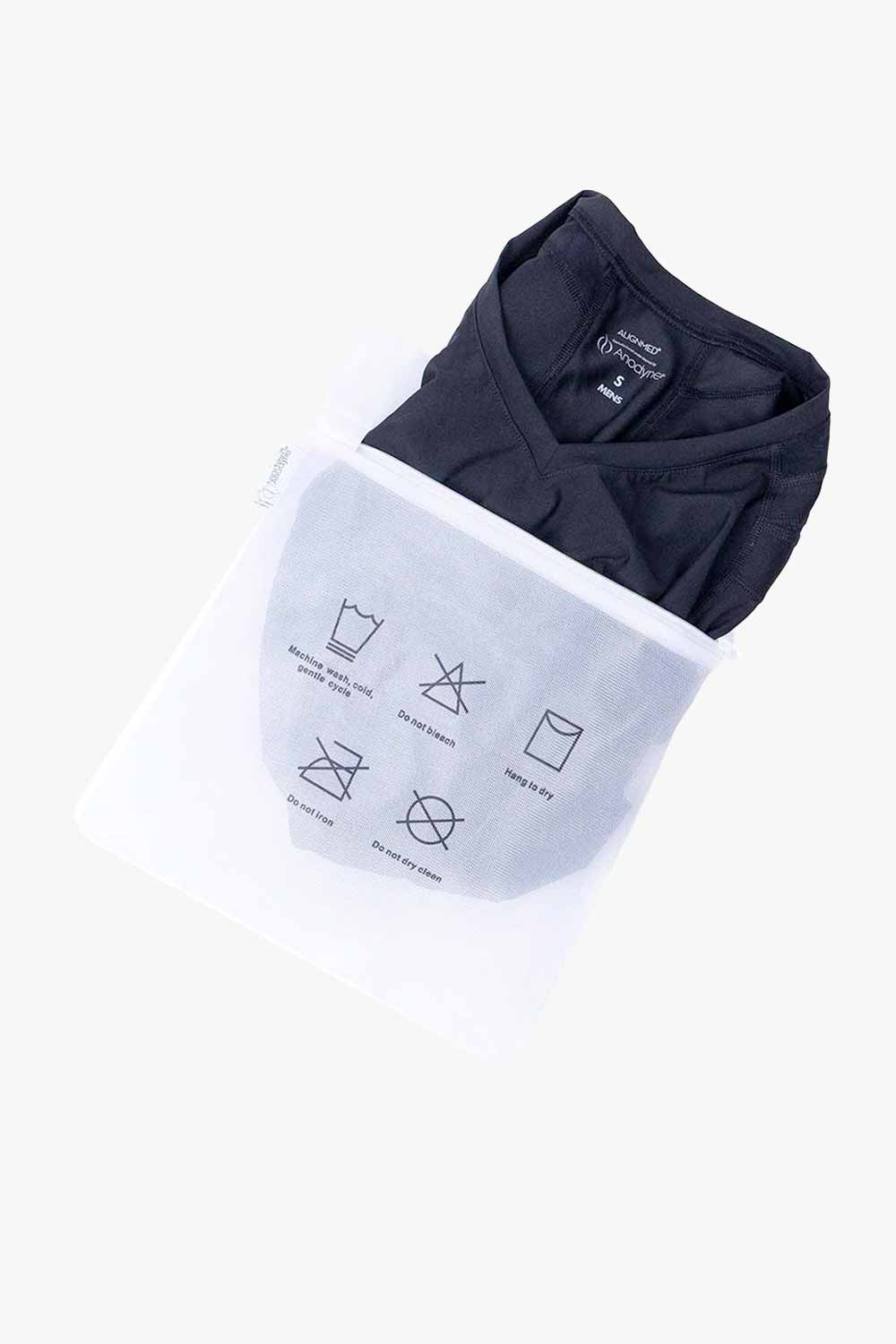
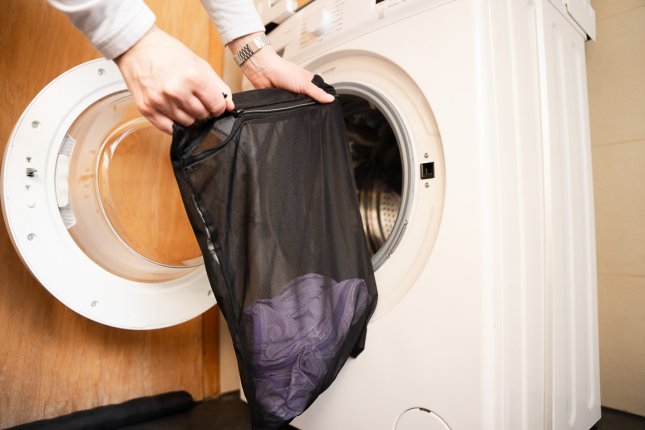
Turn garments inside out before washing, close zips and fasteners, and keep technical pieces away from abrasive loads such as towels, denim and garments with rough hardware. For very delicate pieces, a mesh laundry bag adds another layer of protection.
What makes expensive activewear different?
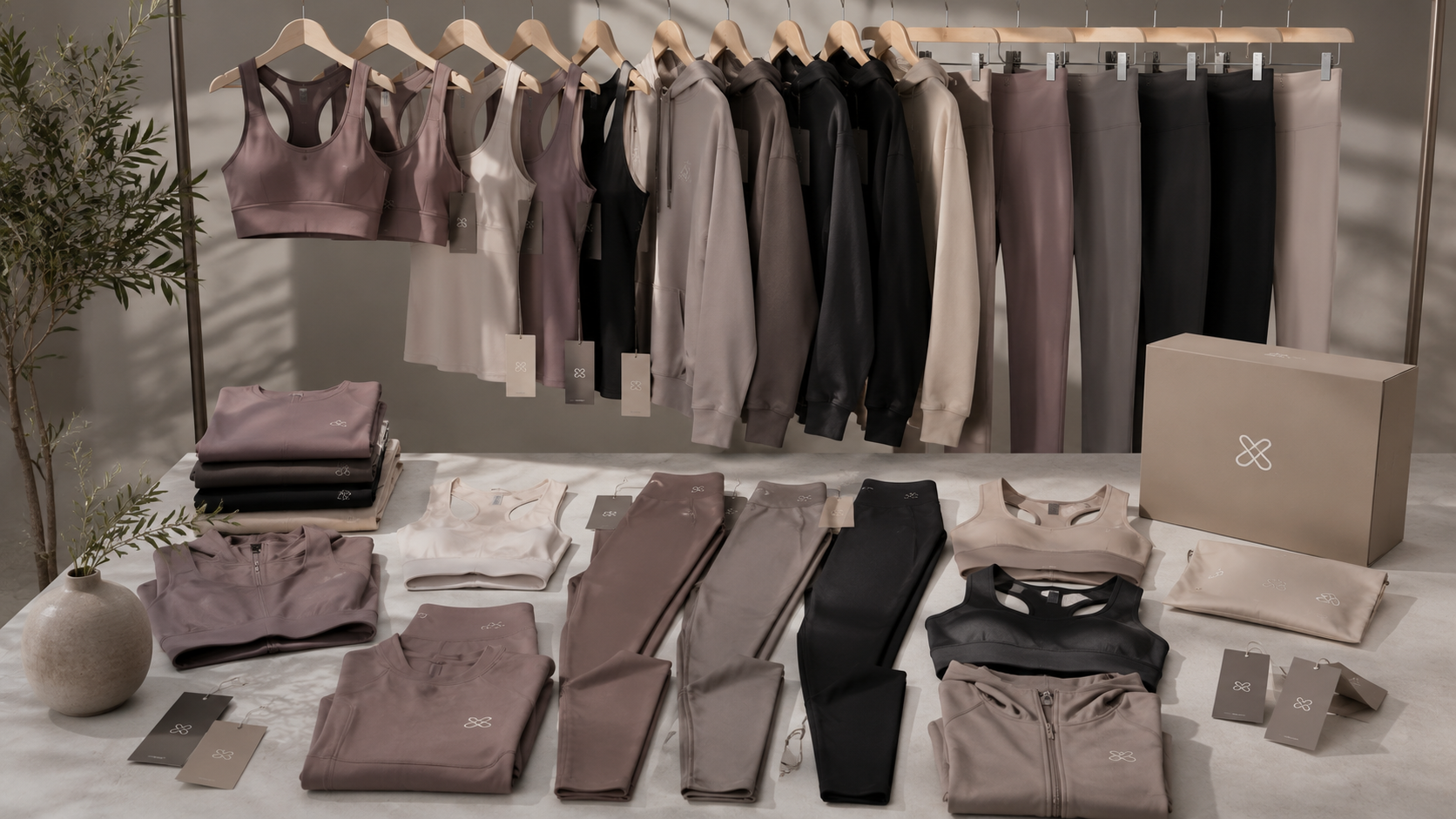
Technical activewear may combine polyester, nylon, elastane or specialised fibres such as merino wool. The knit structure, stretch fibres, coatings, bonded seams, mesh zones and prints all contribute to how the garment performs.
Stretch & recovery
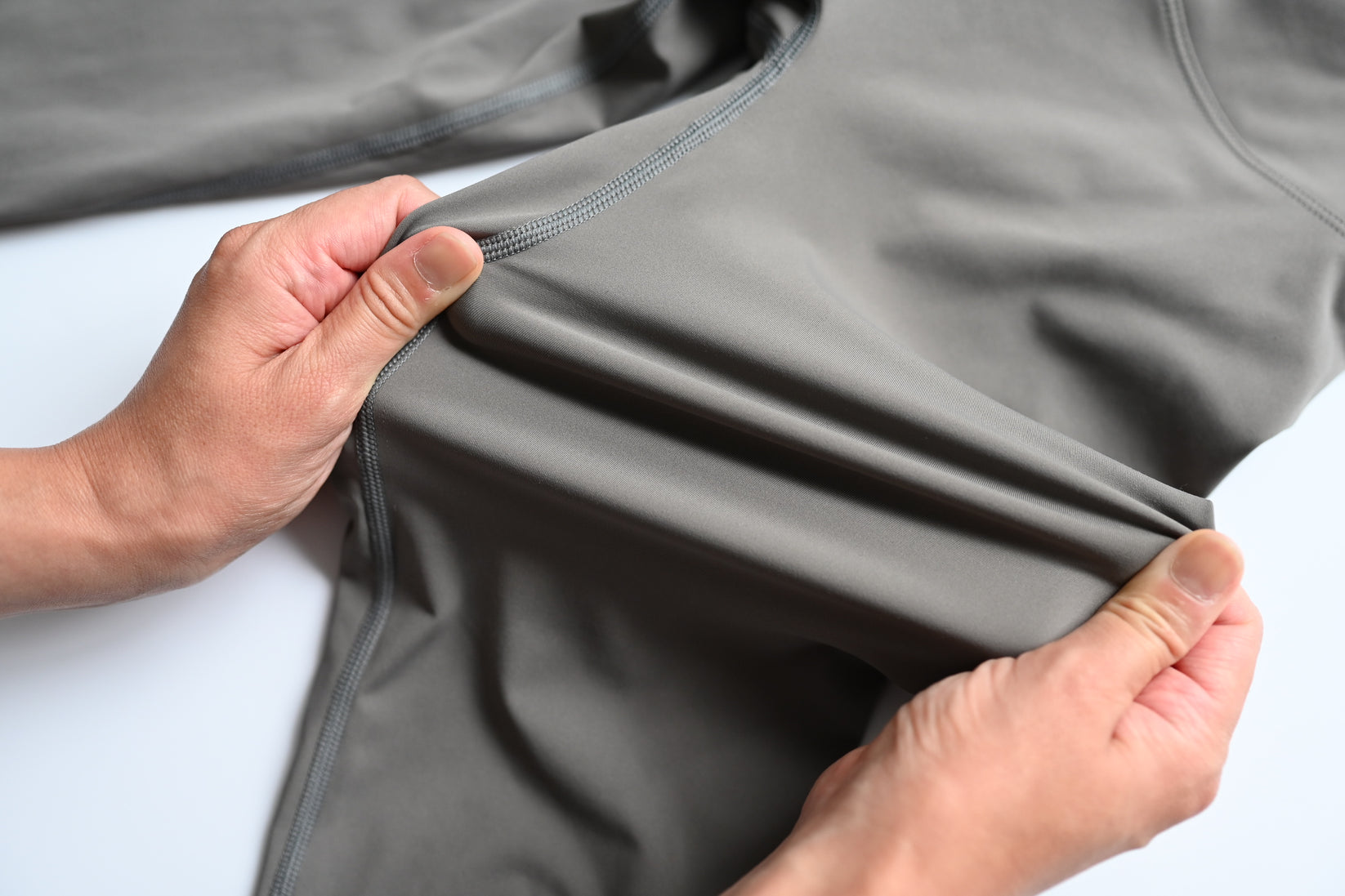
Elastane helps a garment stretch with movement and recover its shape afterwards. Excessive heat and harsh treatment can shorten its useful life.
Protect from heatMoisture management
Technical knits are designed to move moisture away from the skin. Residue from softeners or excess detergent can interfere with that performance.
Keep residue lowHow to wash premium activewear without damaging it
1. Wash soon after a sweaty session
If a piece is damp with sweat, do not leave it compressed inside a gym bag, car boot or closed laundry basket. Take it out, turn it inside out and allow airflow until you can wash it. For heavily worn training pieces, washing after each use is usually the most sensible routine.
2. Sort by fabric and friction
Wash technical garments with similar lightweight synthetics where practical. Keep towels, denim and rough cotton away from delicate performance fabrics. Zips, hook-and-loop fasteners and abrasive textures can catch mesh, create pilling or wear a smooth outer finish.
3. Turn everything inside out
This small step protects the visible surface from unnecessary friction and helps preserve prints, darker colours and brushed finishes. Close zips and fasteners before the wash begins.
4. Use a gentle or synthetic cycle
Cold or cool water is a strong default for many stretch-based garments, but the care label always takes priority. Choose a gentle or synthetic programme rather than a high-agitation cycle, particularly for compression pieces, mesh panels and bonded construction.
Do not pack a premium activewear load tightly. Garments need room for water and detergent to circulate. An overloaded drum increases rubbing and can leave odour or detergent residue behind.
Detergent, softener and water temperature
Use a small amount of mild liquid detergent or a detergent intended for technical fabrics, following the product directions. More detergent is not better: residue can remain in high-performance fibres, especially when a load is crowded or rinsing is limited.
Fabric softener is best avoided. It can coat technical fibres and reduce the moisture-transfer properties you want from activewear. Bleach and aggressive stain products should also be avoided unless the garment's own care instructions specifically allow them.
| Care choice | What to do | Why it matters |
|---|---|---|
| Water | Cool/cold where the label permits | Helps reduce stress on stretch fibres and finishes |
| Cycle | Gentle or synthetic | Less mechanical abrasion |
| Detergent | Mild liquid / technical wash | Less residue on performance fibres |
| Softener | Avoid | Can coat fibres and interfere with wicking |
| Bleach | Avoid unless label specifically permits | Can weaken fibres and affect colour |
Care by fabric type
Nylon and elastane
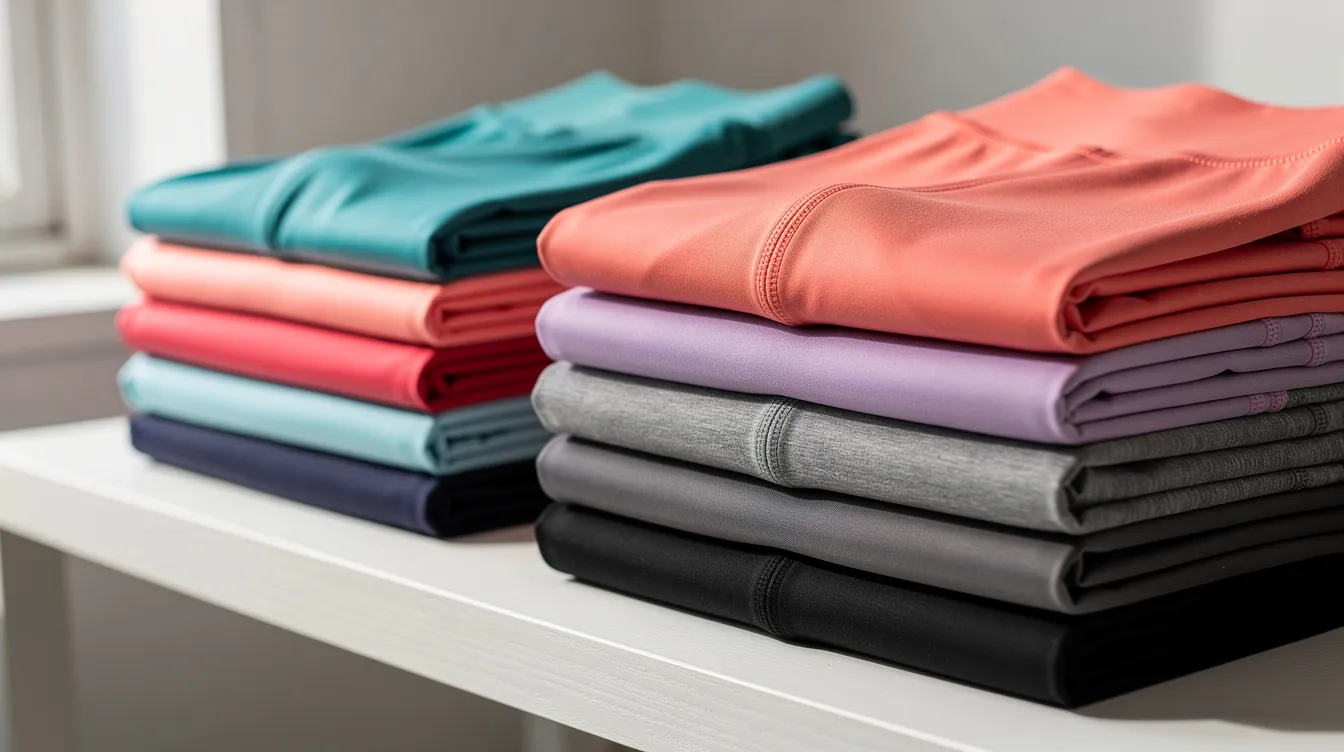
These blends are common in premium leggings, sports bras, studio sets and fitted performance pieces. Use a cool gentle wash, avoid fabric softener and reshape the garment after washing. Keep it away from rough loads that can create surface wear.
Polyester performance knits
Polyester is widely used for moisture-wicking tops and training layers. Wash promptly after sweaty sessions and avoid heavy detergent dosing. If odour persists, repeat a suitable gentle wash rather than adding more fragrance or softener.
Merino wool and merino blends
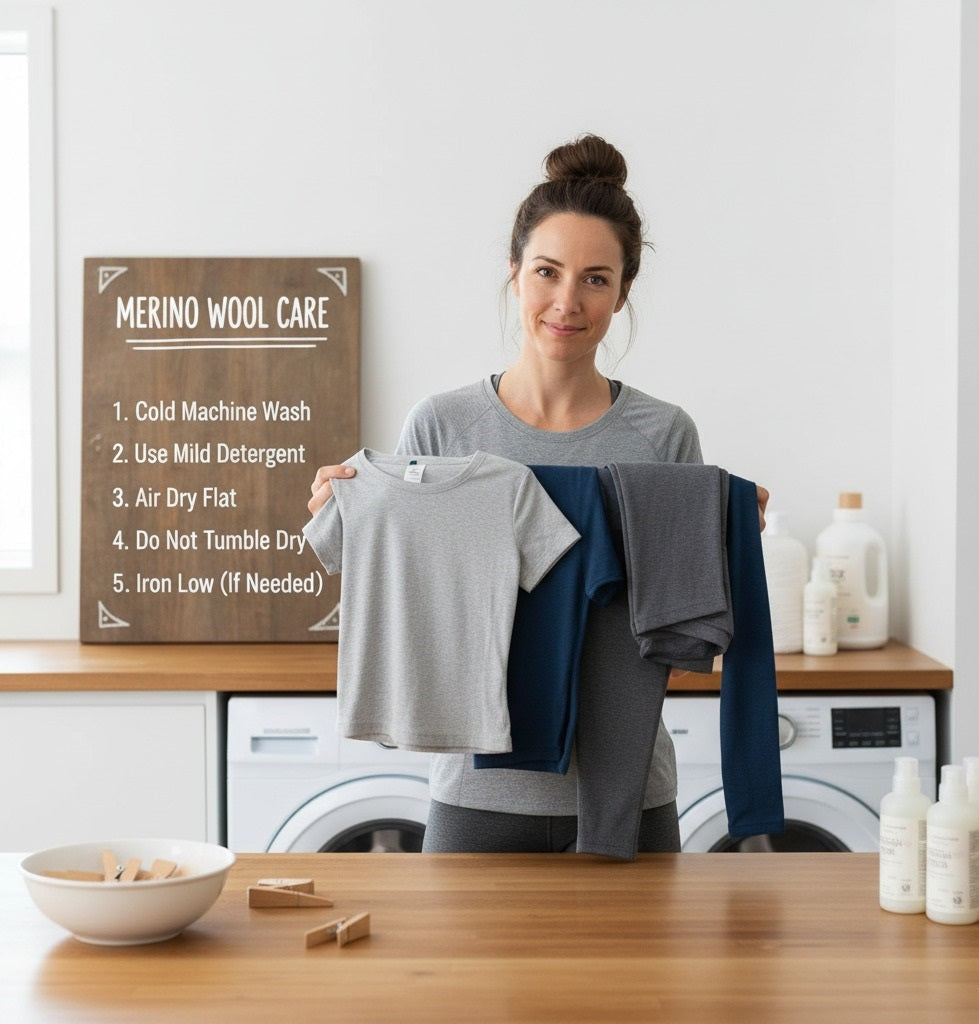
Merino can be excellent for travel, hiking and cooler-weather training because of its natural odour-management properties, but it still needs gentle treatment. Follow the garment label, use a wool-safe detergent where required, keep agitation and heat low, and lay the garment flat if the instructions call for it.
Technical shells and water-repellent layers
Running jackets, golf layers and outdoor shells may have water-repellent finishes or membranes. These should be treated according to the manufacturer's instructions rather than a generic activewear routine. Some technical shells have specific requirements for detergent, rinsing or low-temperature drying.
How to dry activewear without losing stretch
Drying is where many expensive garments take their biggest hit. High heat can accelerate wear in elastane and may affect prints, bonded details and elastic components. For most premium stretch garments, air drying is the gentler choice.
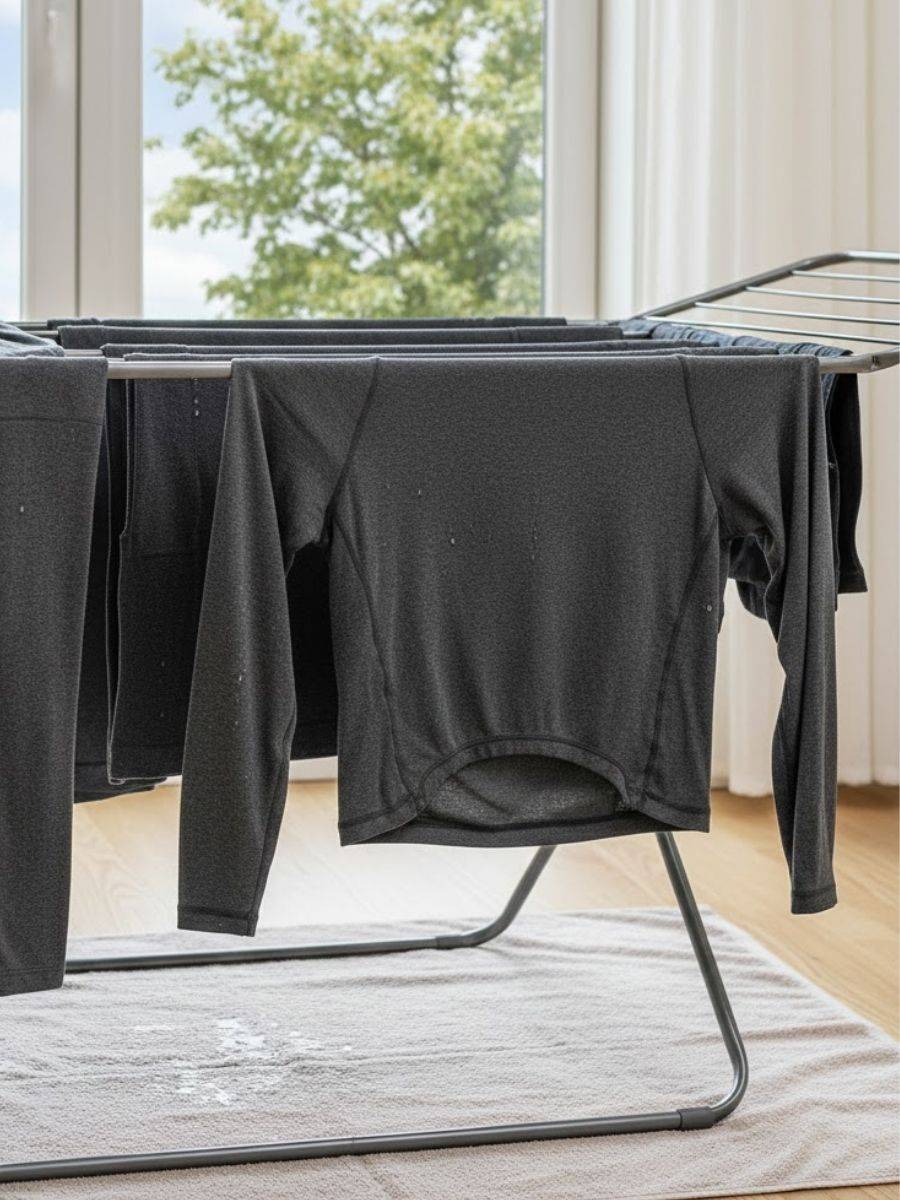
- Reshape while damp. Smooth waistbands, hems, straps and panels back into their natural shape.
- Use airflow. Dry in a well-ventilated space rather than leaving damp garments in a closed room.
- Keep strong direct sun in check. Prolonged UV exposure can fade colours and is unnecessary for most technical pieces.
- Support heavier garments. Lay heavier merino or knit pieces flat when the care label recommends it rather than stretching them from a single hanger point.
Some technical garments are designed for low-temperature tumble drying, while others are not. Never assume. Follow the care label for that specific piece.
What to do about sweat, sunscreen and stubborn odour
Activewear can face a particularly demanding combination of sweat, sunscreen, body oils and warm weather. If a garment still smells after washing, first check the basics: was it washed promptly, was the load overcrowded, was too much detergent used, and was fabric softener added?
For persistent odour, use a detergent suitable for technical fabrics and repeat the wash according to the care instructions. Avoid trying to mask the smell with extra fragrance. For delicate or valuable garments, aggressive DIY treatments can do more harm than the original odour.
Storage matters as much as washing
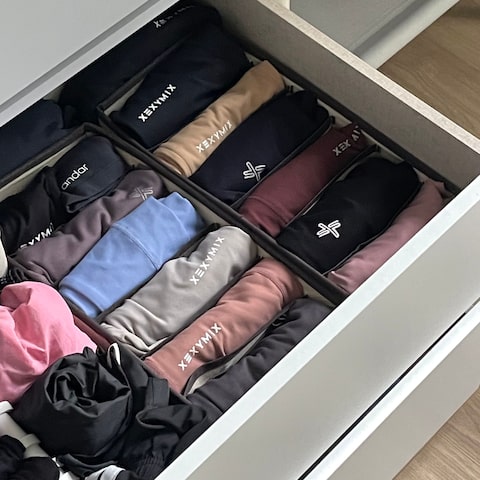
Once your activewear is clean and completely dry, store it in a cool, dry wardrobe. Fold compression leggings, bras and soft technical tops rather than leaving them stretched tightly on hangers for long periods. Keep delicate pieces away from rough hooks, exposed Velcro and abrasive storage surfaces.
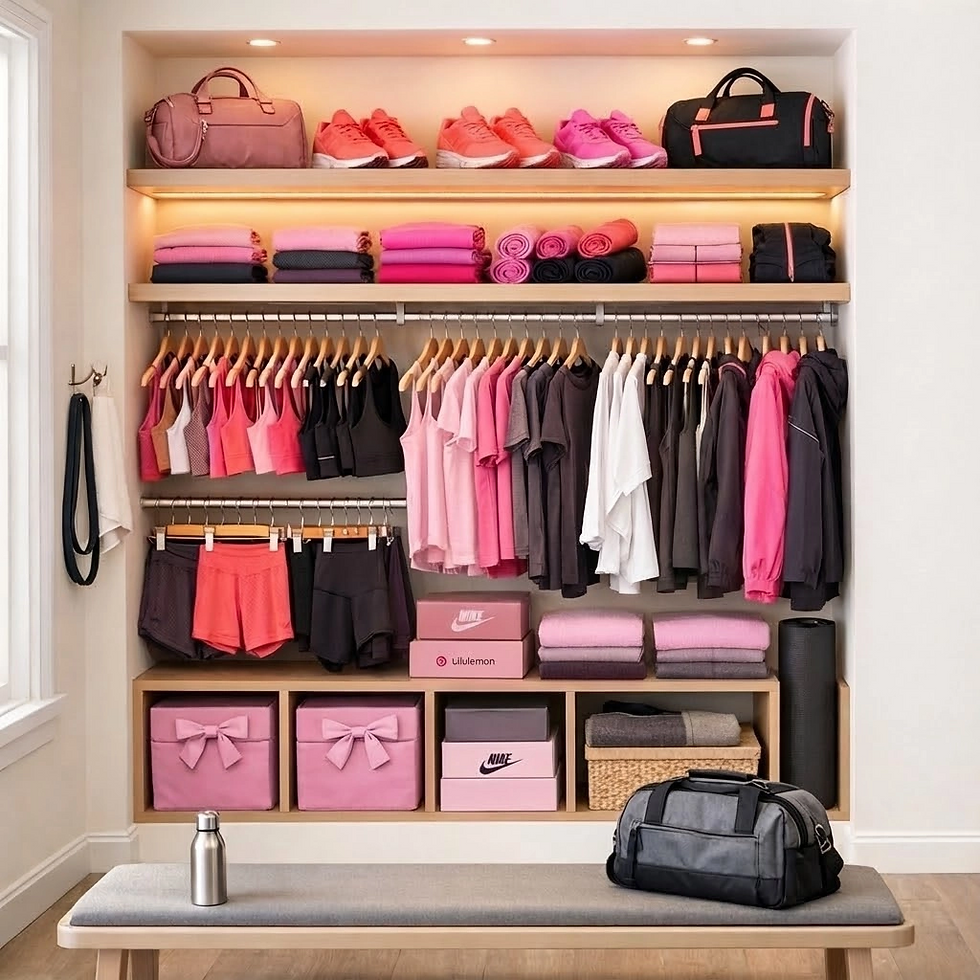
Rotation also helps. If you own several premium sets, alternating them gives elastic components time between wears and reduces the temptation to wash a single piece in a rushed, unsuitable load.
The expensive-activewear mistakes to avoid
- Hot washing. Use the temperature specified by the label; many stretch garments are happier with cool water.
- Fabric softener. It can coat technical fibres and interfere with moisture management.
- Overloading the machine. More garments means more friction and less effective rinsing.
- Mixing with towels or denim. Heavy, abrasive fabrics can roughen delicate surfaces.
- Leaving sweaty pieces in a closed bag. Air them out promptly.
- High-heat drying. Heat can accelerate wear in elastane and affect trims or prints.
- Ignoring the care label. Technical garments vary; the manufacturer's instructions are the final word.
Frequently Asked Questions
Should I wash expensive leggings after every wear?
If you have sweated in them, washing after each use is a sensible routine. If they were worn lightly and remain clean and dry, follow the garment's care instructions and use your judgement.
Can I use fabric softener on activewear?
It is generally best avoided because it can leave a coating on technical fibres and interfere with moisture-wicking performance.
Can I tumble dry premium activewear?
Only if the care label permits it, and then use the specified low setting. Many premium stretch pieces are better air dried.
How do I stop black activewear from fading?
Turn garments inside out, wash cool with similar colours, avoid unnecessary heat and follow the brand's care instructions.
What about merino activewear?
Follow the wool-specific care label. Many merino pieces need a gentle wool cycle, low agitation and flat drying rather than a standard high-spin wash.
When should I use professional garment care?
Consider professional care for valuable pieces with complex construction, delicate trims, specialised finishes or a label that specifically recommends professional cleaning. It can also be useful when a stain or odour does not respond to the garment's approved home-care method.
The Dryz approach: protect the performance you paid for
Premium activewear should continue to feel precise after repeated wear: stretch where it should, recover its shape, manage moisture and keep its finish. A careful laundry routine protects those qualities without turning garment care into a complicated ritual.
Cool wash. Gentle handling. No unnecessary softener. Careful drying. Complete drying before storage. Those habits are the foundation of a longer-lasting performance wardrobe.